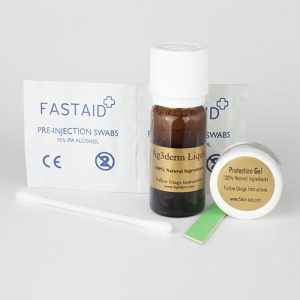
treatment

Skin Pigmentation | What Types Of Pigmentation Are There

September 13, 2010

Types of Skin Pigmentation Our skin normally pigments under the influence of melanin, a substance which protects the skin cells for UV radiation. The lesser the melanin, the brighter the skin will be. However, when melanin is produced in an irregular manner, the skin tone can become uneven and produce darker areas in the skin.

Read the full article →

Skin pigmentation is an Adaptation to UV Light:

September 12, 2010

Skin pigmentation can be a result of location and therefore race. Adaptation and mutation: The occurrence of divergence in the genes happens as a result of population change by a genetic mutation. If DNA exists all the time to become different a mutation happens as a result. As a result of few mutations the organism’s [...]

Read the full article →

Types of Pigmentation – wound scarring

September 11, 2010

Wound scarring takes place especially when a wound is healing, this can lead to non-uniform skin pigmentation. The would often heals up by the formation of some fibrous tissues referred to as scars, some scars could be highly disfiguring and such types of scars include; Hypertrophied scars, kyloids, and widened scars. These are the kinds [...]

Read the full article →

Types of Pigmentation – Acne Scarring

September 10, 2010

Acne scars often occur at the site of an injury to the skin, whilst doing so they can result in unwanted pigmentation. There is often a variation in scarring between an individual and the other , however acne scarring often occur from severe inflammatory cystic acne infections.  Scarring may also occur from some superficial inflamed [...]

Read the full article →

Regarding Skin Pigmentation Problems

September 9, 2010

Skin pigmentation is basically what is called the human body’s skin coloring. Melanin, a substance made by the body’s skin cells (melanocytes), determines what kind of skin color a person will exhibit. Skin pigmentation depends on what an individual’s racial origin is as well as the amount of sunlight they are usually exposed to. Typically [...]

Read the full article →

Skin Pigmentation – Albinism

September 4, 2010

Albinism is a skin pigmentation problem. People living with this condition often have limited or no skin pigmentation in several parts of their body and that includes their eyes, hair, and skin. They have inherited a condition in which their genes have been altered not to produce enough or no skin pigmentation producing hormones-melanin.  albinism affects [...]

Read the full article →

Can Age Spots Be Cancerous

September 2, 2010

One has to worry about having age spots if it degrades his or her self esteem. It is also supposed that age spots can cause cancer. But before jumping into conclusions, you have to know some basic things about age spots and skin cancer, and see how they are related to each other. Age spots [...]

Read the full article →

Skin pigmentation

September 1, 2010

Abnormal skin pigmentation Majority of people have got irritated by the skin pigmentation and some other kind of birth marks. Here you can overview the list of most common problems that affect so many people. If you are also suffering of any one of these problems you should talk to some skin specialist or physicians [...]

Read the full article →

Types of Skin Pigmentation – Birthmarks

August 31, 2010

It is often common to see birth marks and pigmentation on the skin of new born babies or shortly after they are born. These birth marks could be those that are hardly noticeable or those that are very prominent and disfiguring.  Birthmarks are either raised or flat, and they may come with varying shades of [...]

Read the full article →

Sun Damaged Skin:

August 30, 2010

How is it possible to treat sun damaged skin naturally? The exposure of sun can be so harmful for you skin and make your skin less attractive. In other words we can say that it is just like cooking process in which you skin can be cooked when ultra violet directly react on your skin [...]

Read the full article →